


WHY ARE WE, the Christians of Northeast India, largely silent while our brothers and sisters in Christ face persecution, intimidation, violence and harassment in different parts of the country? This is a question that every church leader, Christian organisation, denomination and believer in Northeast India must seriously reflect upon.
Reports of attacks on Christians, disruptions of worship services, intimidation of pastors, vandalism of churches and allegations of unlawful religious conversions have continued to emerge from several parts of India, particularly North and Central India. More recently, Christian communities in West Bengal have also raised serious concerns about increasing hostility and attacks against their places of worship and prayer gatherings.
Also Read | When Everyone Does What Is Right in His Own Eyes
According to information presented by ADF International, citing the United Christians Forum (UCF), more than 600 incidents of violence against Christians were documented between January and October 2025 alone. These incidents reportedly included mob assaults, public humiliation, disruptions of church services and the demolition of homes. Such figures should compel the Christian community across India to take these developments seriously.
Growing concern over anti-conversion laws
One of the major concerns facing Christian communities is the increasing use of state-level anti-conversion legislation. Commonly known as Freedom of Religion Acts, these laws prohibit religious conversion through force, fraud, coercion, undue influence or allurement. As of 2026, several Indian states have enacted such legislation, including Arunachal Pradesh, Chhattisgarh, Gujarat, Haryana, Himachal Pradesh, Jharkhand, Karnataka, Madhya Pradesh, Odisha, Rajasthan, Uttar Pradesh and Uttarakhand. Maharashtra has also taken legislative steps in this direction, making the overall legal position subject to developments in the enactment and implementation of these laws. While these laws are officially intended to prevent forced or fraudulent conversions, Christian organisations and religious freedom advocates have repeatedly expressed concern that their provisions can be misused to harass pastors, believers and Christian institutions, including those engaged in prayer, worship and social service.
Also Read | You Came to a Metro City for a Purpose; Don’t Forget Your Children
The concern is not about opposing the protection of anyone’s freedom of religion. Rather, it is about ensuring that the constitutional freedom to profess, practise and propagate religion is respected and protected, and that allegations of unlawful conversion are investigated fairly and supported by evidence.
West Bengal and Haryana: A new and deeply concerning development
The situation in West Bengal deserves particular attention from the Christian community of Northeast India.
According to reports published in The Hindu on November 13, 2026, the Bangiya Christiya Pariseba (BCP), also known as the Bengal Christian Council, has documented 48 incidents of alleged attacks and harassment targeting Christian prayer meetings, worship centres and churches over the preceding five months.
On November 5, 2026, the BCP organised a large prayer and protest rally in Kolkata, bringing together Christians from different denominations and other parts of the country to demand protection of religious freedom and an end to attacks against Christian communities.
Herod Mullick, the founding secretary of the organisation, has expressed serious concern about the situation and the growing insecurity faced by Christians in the state. These developments should not be ignored by Christians in Northeast India. West Bengal is geographically and strategically important to our region, and the situation of Christian communities there deserves our attention, concern and solidarity.
More recently, on November 15, reports emerged that Gurugram police had arrested four women over allegations that they attempted to influence children from economically weaker families to adopt Christianity by providing educational assistance, food and other items. The case was registered under the Haryana Prevention of Unlawful Conversion of Religion Act, 2022.
Why are we silent in Northeast India?
This brings us to a difficult but necessary question: What are we, the Christians of Northeast India, doing when our fellow believers elsewhere are suffering? While Christians in other parts of the country face threats, intimidation, legal challenges and attacks on their places of worship, many of our churches remain occupied with revival meetings, conferences, conventions, youth camps, Christmas preparations and other regular activities. I am not against these programmes. They are important for the spiritual growth, fellowship and strengthening of our churches. However, should our Christian responsibilities end with activities within our own congregations and geographical boundaries? Are we not part of one body of Christ? When one part of the body suffers, the whole body should feel its pain.
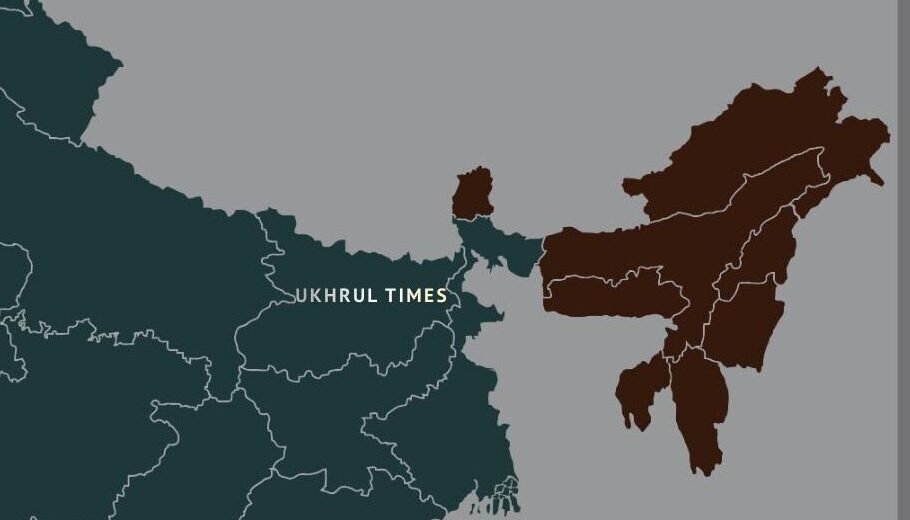
The suffering of Christians in Uttar Pradesh, Chhattisgarh, Madhya Pradesh, Odisha, Jharkhand, Haryana, West Bengal and other parts of India should concern every Christian, including those living in Nagaland, Mizoram, Meghalaya, Manipur, Arunachal Pradesh, Assam, Sikkim and Tripura. Christian solidarity must go beyond denominational boundaries, tribal identities, state borders and institutional affiliations. We cannot remain indifferent simply because the suffering is happening somewhere else.
It is time for the churches of Northeast India to wake up
I sincerely appeal to church leaders, Christian conventions, associations, councils, fellowships and both Catholic and Protestant denominations across Northeast India to take this matter seriously. Our response should not be limited to expressing sympathy on social media or making occasional statements. We need meaningful and organised action. First, churches should regularly include prayers for persecuted Christians in their Sunday worship services and other congregational gatherings. Second, church leaders should organise awareness programmes, seminars, presentations and discussions to educate their congregations about religious freedom, constitutional rights and the challenges faced by Christians in different parts of India. Third, Christian conventions and denominational organisations should establish channels of communication and solidarity with affected Christian communities. They should seek reliable information, extend moral support and explore appropriate humanitarian and legal assistance where necessary. Finally, we must encourage unity among Christian denominations. It is time to wake up, stand together and demonstrate our Christian solidarity.
Today, our brothers and sisters in other parts of India need our prayers, encouragement, and solidarity. Tomorrow, we may need theirs. If we cannot stand with our brothers and sisters when they are suffering, what does our Christian unity really mean? May the churches of Northeast India rise above silence, division and indifference and become a united voice for religious freedom, justice, peace and the protection of every community’s constitutional rights. Let us remember: when one member of the body of Christ suffers, we all suffer together.
(The views expressed are solely those of the author and do not necessarily reflect the views of Ukhrul Times. Ukhrul Times values and encourages diverse perspectives. The author is Pastor, The Journey Church, New Delhi. The author can be reached at letlal.haokip@gmail.com)